







Canberra, Australia: Australian Centre for International Agricultural Research.
Authors:Micheni, A. N., Kanampiou, F. and Rodriguez, D.Technological Forecasting and Social Change Volume 80, Issue 3, Pages 525-540
Authors: Menale Kassie, Moti Jaleta, Bekele Shiferaw, Frank Mmbando, Mulugetta Mekuria
A study assessing the role of crop diversification in minimizing the downside risks associated with the use of improved seed and chemical fertilizer in maize production.
-THOMSON REUTERS FOUNDATION NEWS
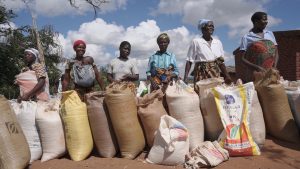
Rural women help one another grow more and better food by pooling their cash and sharing new farming methods…
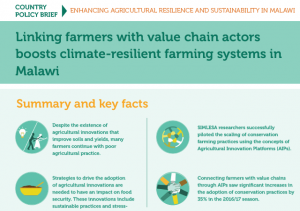
Learn how Agricultural Innovation Platforms can boost the adoption of climate-smart practices from this case study from Malawi.
Policy lessons for sustainable intensification: At a recent policy forum in Mozambique scientists, agricultural leaders and farmers discussed the implications of 8-years of SIMLESA’s results. The forum highlighted several opportunities and lessons learned from SIMLESA on how to improve farmers’ yields while protecting the environment,
link them to markets and to stimulate the scaling of new farming techniques. Listen to scientists and farmers explain their experiences in the SIMLESA project.
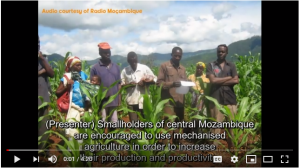
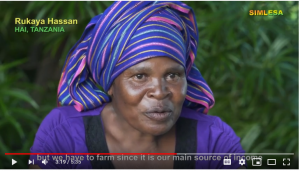
This video presents the outcomes of the SIMLESA project, featuring interviews with women and men farmers and scientists from four of the seven SIMLESA partner countries in sub-Saharan Africa.
This brief is based on a value chain survey carried out on the maize and legume seed sectors in Tanzania.
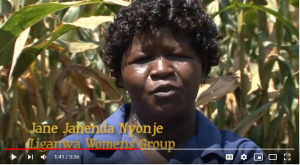
Here the Liganwa Farmers’ Group are showcasing their crops of maize that have been grown using a new approach that has seen some farmers more than triple their yields even though they’re spending less time in the field.